
A Plan for Watamu’s Sea. Now, the Work of Making It Happen.
A boat operator, a fisher, a hotel owner, a marine researcher and a wildlife warden may see the same stretch of water very differently. Their knowledge comes from different experiences: earning a living, observing changes in marine habitats, welcoming visitors or managing the protected area. Together, those perspectives offer a fuller understanding of Watamu’s sea.
Its coral reefs, seagrass beds and mangroves support marine life, fishing, tourism and livelihoods. What happens in one part of this environment can affect another. Decisions about its use and care reach across occupations, institutions and communities, making coordination an essential part of its management.

The Watamu Marine Protected Area Management Plan provides a framework for work over the next ten years. It covers ecological management, fisheries, tourism, community relations and education, and operations and security. Kenya Wildlife Service (KWS) is the authority responsible for managing the protected area.
Putting the plan into practice involves working through questions that matter to those connected to Watamu: which actions need attention first, what different groups can contribute, and how responsibilities and information should be shared.
To make this ambition realized and possible, Hifadhi Blu through Kenya Wildlife Service (KWS), A Rocha Kenya and Pwani Bora is supporting the coordination between KWS and Watamu stakeholders as they work through the priorities, responsibilities and practical steps involved in caring for the marine protected area.
Understanding what shapes compliance
An early focus is monitoring, control and surveillance: understanding the rules governing activities in the marine area, how compliance is monitored, and what supports or hinders those arrangements.
This work begins with gathering information from the people and institutions involved. The project will compile relevant laws and by-laws and draw on stakeholder knowledge to examine the challenges experienced in practice. A closer assessment with one priority user group will then provide a basis for developing responses together.
The aim is to understand the circumstances behind those challenges before agreeing on practical steps. Findings from this work can help participants identify where greater clarity, coordination or other support may be needed.
Alongside this initial focus, the working groups will contribute to an assessment of management effectiveness across the protected area. Bringing those findings together with the experience of the first phase will help inform future priorities, working arrangements and resource needs.
Keeping the conversation connected to action
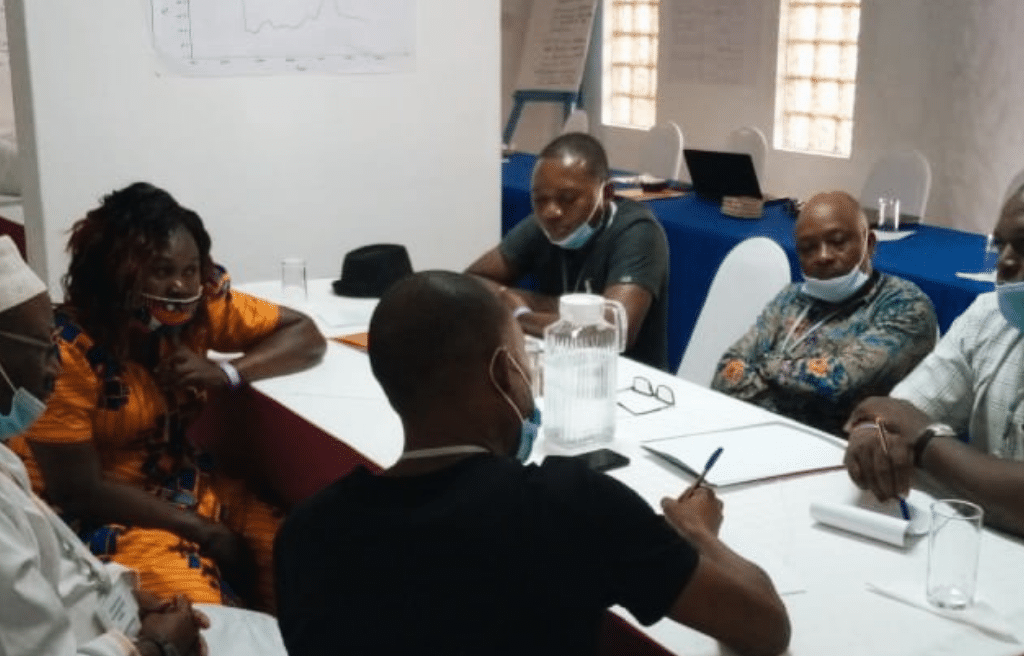
At the September stakeholder meeting, discussion covered consultation on the management plan, access to information, coordination between agencies, safety and the proposed working structure. The range of questions reflected the different responsibilities and experiences present in the room.
Continuing that exchange is part of developing a workable approach. People need opportunities to understand proposals, contribute their knowledge and follow how discussions inform subsequent decisions. Clear records, accessible information and regular updates can help maintain that connection as the work progresses.
A Rocha Kenya’s contribution builds on its longstanding involvement in marine conservation and governance in Watamu. Working alongside Pwani Bora, we are supporting the coordination, information sharing and learning that allow KWS and stakeholders to work through priorities and next steps.
The first phase runs to November 2026. Its findings and discussions will contribute to a roadmap for further work, including the actions, coordination and resources participants identify as necessary.
Caring for Watamu’s sea requires decisions that make sense both for its marine ecosystems and for the people whose lives are connected to them. The work now is to bring those different perspectives into practical discussions and keep them connected as decisions become action.
As this work develops, we will share updates on the discussions, activities and opportunities to contribute.
Through Hifadhi Blu, A Rocha Kenya and Pwani Bora are supporting coordination between Kenya Wildlife Service and Watamu’s stakeholders as they work through the priorities, responsibilities and practical steps involved in caring for the marine protected area.